
In 2026, the African continent has become one of the most dynamic digital markets in the world. With over one billion mobile users and a rapidly expanding middle class, African businesses face a major challenge: standing out in a saturated digital environment. Digital branding is no longer a luxury reserved for multinationals — it is a strategic necessity for any brand that wants to exist, grow, and build loyalty.
Why Digital Branding Is Crucial in Africa in 2026
Africa is experiencing an unprecedented digital revolution. Internet penetration now exceeds 50% in many countries, and social networks like Instagram, TikTok, WhatsApp, and X (Twitter) have become the primary storefronts for brands. In this context, a strong and consistent visual identity is the first trust factor for a connected African consumer.
African consumers are increasingly demanding. They instantly recognize a professional brand from an amateur one. A blurry logo, an inconsistent color palette, or a hesitant communication tone is enough to drive away a potential customer. Conversely, a well-built brand inspires trust, credibility, and emotional attachment.
The 7 Pillars of a Powerful Digital Brand Identity
1. The Logo: Your Visual Signature
The logo is the face of your brand. It must be simple, memorable, scalable (readable on a phone screen as well as a billboard), and meaningful. In Africa, successful brands often integrate local cultural elements — geometric patterns, revisited traditional symbols, typographies inspired by local languages — while maintaining a modern and international aesthetic.
A good logo must work in black and white, in color, in small format (favicon, app icon), and in large format (banner, poster). Investing in a professional designer for your logo is one of the best returns on investment you can make.
2. The Brand Guidelines: Visual Consistency at Scale
Brand guidelines are the reference document that defines all the visual rules of your brand: primary and secondary color palettes, typography, spacing, icon styles, logo usage rules, social media post templates, and more. They ensure that every touchpoint with your audience — website, social media, emails, print materials — is immediately recognizable.
For African brands, the color palette is particularly strategic. Warm tones (ochre, terracotta, savanna green, indigo blue) evoke the authenticity and cultural richness of the continent, while standing out from the cool palettes often used by Western brands.
3. Tone of Voice: Speaking to Your Audience with Authenticity
Tone of voice is your brand's personality expressed through words. Is your brand formal or casual? Inspiring or pragmatic? Local or international? In Africa, the brands that resonate best are those that speak the language of their audience — sometimes literally, by integrating local expressions, cultural references, and authentic humor.
Define 3 to 5 adjectives that describe your brand's voice, then create an editorial guide that specifies how to write your titles, descriptions, social media posts, and emails. Consistency of tone is just as important as visual consistency.
4. The Website: Your Digital Headquarters
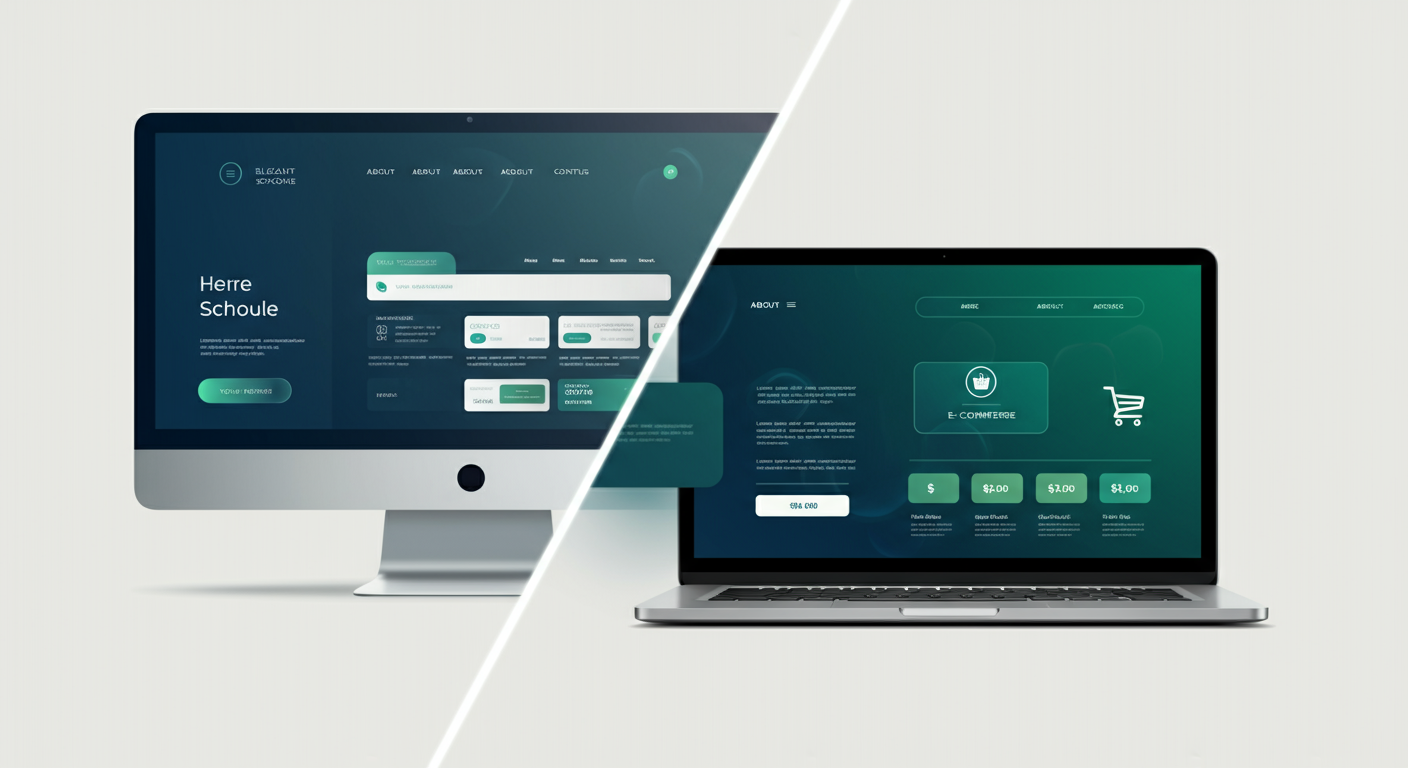
In 2026, a professional website remains the central pillar of any digital branding strategy. It is the only space you fully control, unlike social networks whose algorithms and rules constantly change. Your site must be fast (under 3 seconds loading time), mobile-first (over 70% of African traffic comes from mobile), secure (HTTPS), and SEO-optimized.
The user experience (UX) must be impeccable: intuitive navigation, clear calls to action, functional contact forms, and content that answers your visitors' questions. A well-designed site converts visitors into customers and customers into brand ambassadors.
5. Content Strategy: Nurturing Your Audience
Content is the fuel of digital branding. Blog articles, videos, infographics, podcasts, stories, reels — each format has its role in your content ecosystem. An effective content strategy rests on three pillars: regularity (publishing consistently), relevance (addressing the real questions and needs of your audience), and quality (producing content that delivers genuine added value).
For African brands, localized content is a major competitive advantage. Talking about local realities, challenges specific to your market, African success stories — this is what differentiates you from large international brands that produce generic content.
6. Social Media: Amplifying Your Presence
Social media are the amplifiers of your brand. In Africa, WhatsApp Business, Instagram, Facebook, TikTok, and LinkedIn are the essential platforms depending on your sector and target audience. The key is not to try to be everywhere at once: choose 2 to 3 platforms where your audience is most active and focus your efforts there.
Visual consistency between your website and your social profiles is essential. Your profile picture, banner, colors, post templates — everything must be aligned with your brand guidelines. A visitor moving from your Instagram to your website should feel like they are staying in the same brand universe.
7. SEO: Being Found by the Right Customers
Search engine optimization (SEO) is one of the most powerful and durable levers of digital branding. Appearing on the first page of Google for your potential customers' queries means both free visibility and a credibility signal. In Africa, SEO competition is still relatively low in many sectors, representing an exceptional opportunity for brands that invest now.
An effective SEO strategy combines: relevant keyword research, technical site optimization, quality content creation, and backlink acquisition from authoritative sites. Local SEO is particularly important for businesses targeting a specific city or country.
Branding Mistakes to Absolutely Avoid
Many African brands make mistakes that damage their image and hinder their growth. Here are the most common ones:
- Copying the visual identity of a competing or international brand without creating your own personality.
- Using too many colors, fonts, or different styles, creating a chaotic and unprofessional visual identity.
- Neglecting mobile: in Africa, the majority of users access the internet via their smartphone.
- Posting irregularly on social media, giving the impression of an inactive or unreliable brand.
- Ignoring customer reviews and comments online, which destroys trust and reputation.
- Not investing in professional photography and video, which are key elements of quality perception.
Case Studies: African Brands That Succeeded in Digital Branding
Brands like Jumia, Flutterwave, Wave, Andela, and Enko Education have demonstrated that it is possible to build world-class African brands. Their common point? A strong and consistent visual identity, mastered digital communication, and a clearly articulated value proposition that addresses the specific needs of the African market.
These brands understood that branding is not an expense, but an investment. Every dollar invested in a solid brand identity generates a multiplied return in terms of customer trust, loyalty, and the ability to attract partners and investors.
How BEONWEB Supports Your Digital Branding
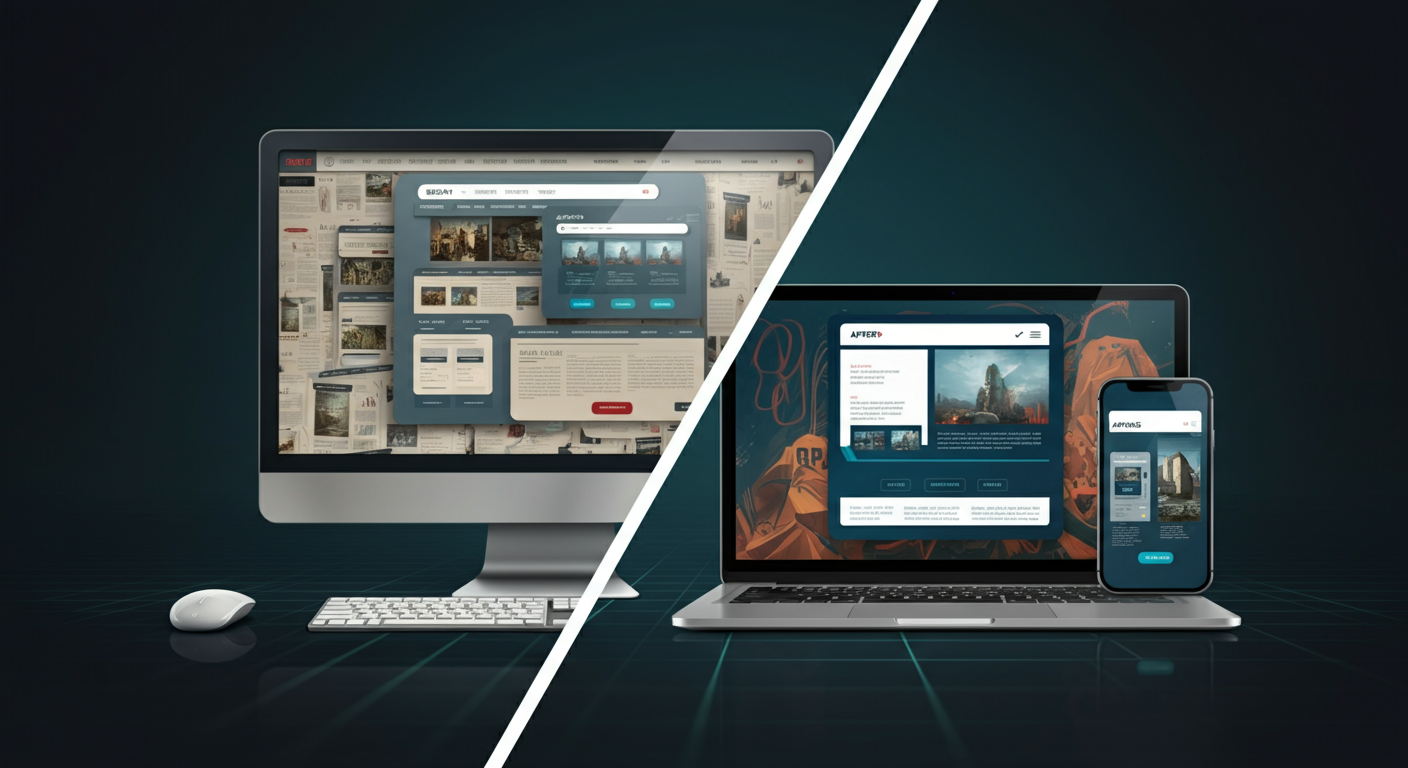
At BEONWEB, we support African and diaspora businesses in building their digital brand identity. From logo creation to complete website redesign, content strategy, and SEO, our team puts its expertise at the service of your growth.
We believe that every African brand deserves a digital presence that matches its ambition. Contact us for a free brand identity audit and discover how we can help you stand out in the African digital ecosystem.
Conclusion: Your Brand Is Your Most Valuable Asset
In 2026, digital branding is no longer optional for African businesses that want to grow. It is the foundation on which your entire marketing, commercial, and communication strategy rests. Invest in your brand identity today — it is the investment that will continue to work for you for years to come.
A strong brand is not built overnight, but every consistent action you take today — a professional logo, a rigorous brand guideline, quality content, an active social presence — brings you closer to the goal: becoming the undisputed reference in your sector across Africa.
Editorial desk & expertise
Our team combines SEO strategists, web developers, designers and digital marketers — all working daily on real client projects across Cameroon and Francophone Africa.