In 2026, your website is your most important digital storefront. Yet many businesses continue to operate with aging websites that damage their brand image, hurt their search rankings, and reduce conversions. A website redesign is not a luxury — it is a strategic necessity. In this article, we guide you step by step on when to act and how to execute a successful redesign without sacrificing your SEO.
What Is a Website Redesign?
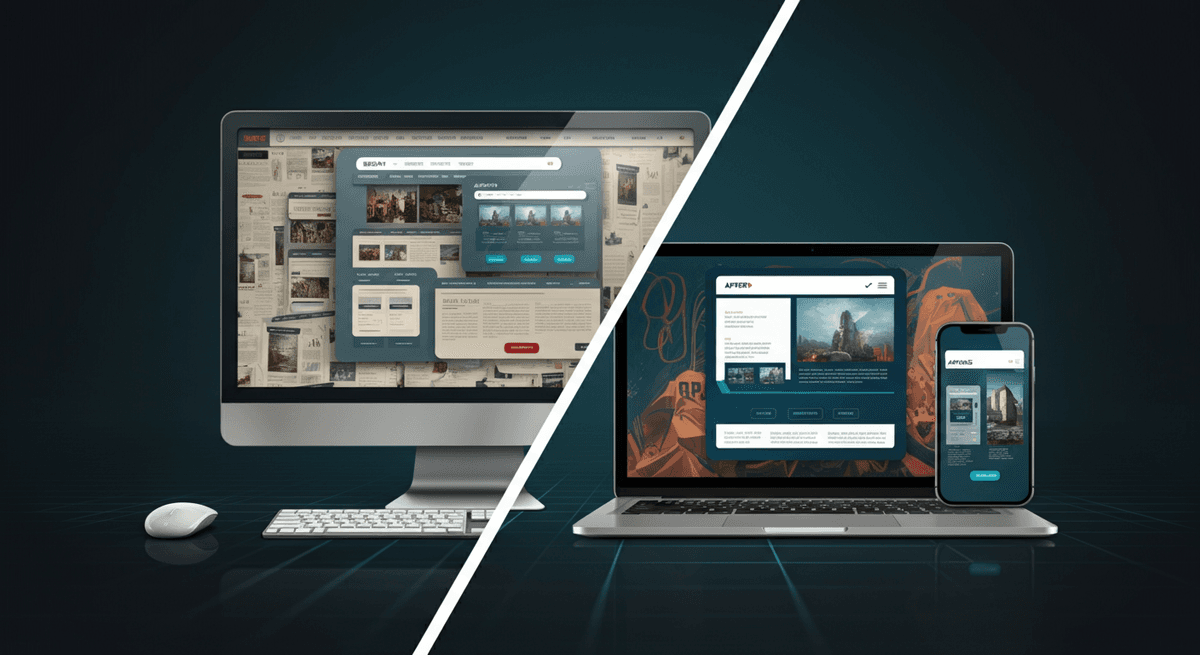
A website redesign refers to the process of deeply transforming an existing site: visual overhaul, architecture restructuring, technology migration, or performance optimization. It goes far beyond a simple visual update. A successful redesign simultaneously improves user experience (UX), page load speed, accessibility, and search engine rankings.
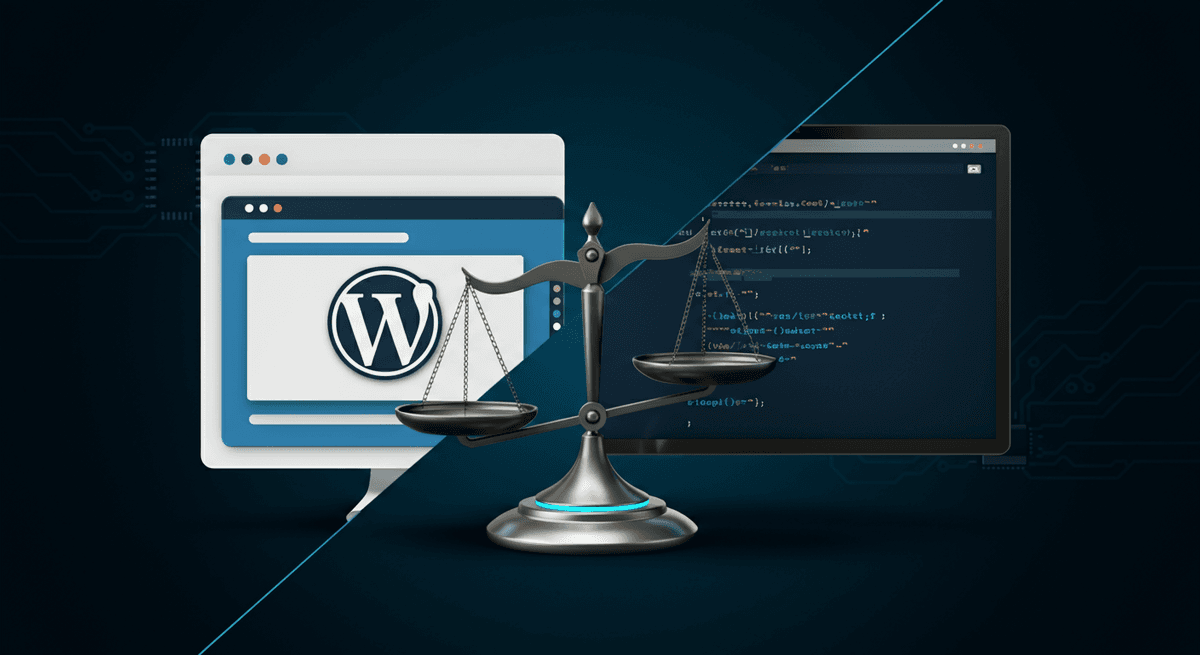
There are several levels of redesign: visual redesign (graphic refresh), functional redesign (new features, CMS), technical redesign (stack change, performance improvements), and a full redesign that combines all of these. Each level addresses specific needs and involves different levels of investment.
The 10 Signs It Is Time to Redesign Your Website
How do you know if your website needs a redesign? Here are the 10 warning signs to watch for:
- Your site is not responsive: over 60% of web traffic comes from mobile devices in 2026. A site not adapted for smartphones hurts your SEO and drives visitors away.
- Your bounce rate is high: if visitors leave your site in under 10 seconds, it is a strong signal that the user experience is failing.
- Your site is slow: Google incorporates Core Web Vitals into its algorithm. An LCP above 2.5 seconds costs you positions in search results.
- Your design looks outdated: a site that has not evolved in more than 3 years projects an aging, unprofessional brand image.
- Your CMS is outdated or hard to use: if updating a page takes hours, your content management tool is no longer fit for purpose.
- Your conversion rate is low: if your site generates traffic but few leads or sales, the architecture and calls to action need to be rethought.
- Your SEO rankings are stagnating or declining: if competitors are overtaking you in Google results, your site likely lacks technical and editorial optimizations.
- Your brand identity has evolved: merger, rebranding, new positioning — your website must reflect who you are today.
- Your site is not secure: no HTTPS, outdated plugins, known vulnerabilities — security is both an SEO factor and a trust signal.
- Your site does not meet WCAG 2.2 accessibility standards: in 2026, digital accessibility is a legal requirement for many businesses and a ranking factor.
Redesign vs Update: What Is the Difference?
Before committing to a full redesign, it is important to distinguish between what requires a simple update and what demands a deep overhaul. An update covers minor adjustments: bug fixes, adding a page, editing text. A redesign involves a structural rethink of the entire site.
The rule of thumb: if more than 40% of your site needs to change to meet your goals, a redesign is more cost-effective than a series of patches. The cost of a redesign is an investment, not an expense.
The BEONWEB Method for a Successful Redesign in 2026
At BEONWEB, we have developed a proven 6-phase methodology to guarantee an effective redesign — with no SEO traffic loss and a measurable return on investment.
Phase 1 — Comprehensive Audit of the Existing Site
Before touching anything, we conduct an exhaustive audit: technical SEO audit (crawl, indexation, Core Web Vitals), UX audit (heatmaps, user journeys, conversion rates), content audit (high-performing pages, keyword cannibalization, opportunities), and a security audit. This audit is the foundation of every successful redesign.
Phase 2 — Strategy Definition and Goal Setting
We define SMART objectives with you: increase organic traffic by X%, improve conversion rate by Y%, reduce load time below Z seconds. Every redesign decision is guided by these measurable goals — not subjective aesthetic preferences.
Phase 3 — Information Architecture and Internal Linking
Information architecture is the skeleton of your new site. We build a tree structure optimized for both SEO and UX, defining thematic silos, page hierarchy, and strategic internal linking. A solid architecture helps Google understand your site and helps visitors quickly find what they are looking for.
Phase 4 — Conversion-Focused UX/UI Design
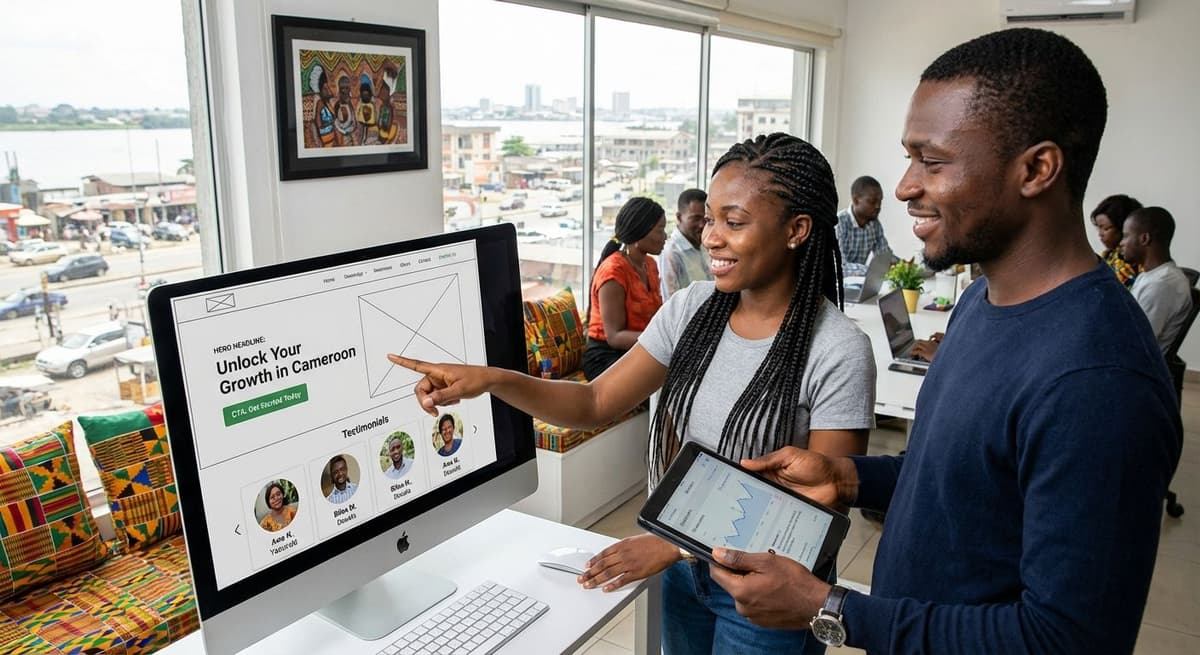
Design is not just about aesthetics. We create wireframes and mockups centered on conversion: strategic CTA placement, clear visual hierarchy, readable typography, and a color palette consistent with your brand identity. Every visual element serves a precise function in the conversion journey.
Phase 5 — Technical Development and Performance Optimization
Development follows best technical practices: clean semantic code, image optimization (WebP, lazy loading), advanced caching, CDN, CSS/JS minification. We consistently target a Lighthouse score above 90 across all criteria: Performance, Accessibility, Best Practices, and SEO.
Phase 6 — SEO Migration and Post-Launch Monitoring
SEO migration is the most critical step of any redesign. We build a comprehensive 301 redirect plan to preserve the SEO equity of every existing URL, submit the new sitemap to Google Search Console, monitor 404 errors, and track ranking changes for 3 months after launch. No high-performing page is left behind.
How to Protect Your SEO During a Redesign?
Fear of losing search rankings is the main reason businesses delay their redesign. This concern is legitimate but manageable with a rigorous methodology. Here are the golden rules:
- Map all existing URLs before you start and identify those generating organic traffic.
- Keep high-performing URLs unchanged or implement permanent 301 redirects.
- Preserve title tags, meta descriptions, and H1 tags for well-ranking pages.
- Migrate important backlinks by verifying that destination pages still exist.
- Launch the new site outside of peak commercial periods.
- Monitor Google Search Console daily for the first 4 weeks after launch.
What Budget Should You Plan for a Website Redesign in 2026?
Redesign budgets vary considerably depending on the size and complexity of the project. Here are indicative ranges observed in the market in 2026:
- SME showcase site (5 to 15 pages): between €3,000 and €8,000
- Corporate site with blog and client portal: between €8,000 and €25,000
- Mid-size e-commerce (100 to 1,000 products): between €15,000 and €50,000
- Complex platform or institutional site: from €50,000
These budgets include the audit, design, development, SEO migration, and post-launch monitoring. Beware of overly attractive offers that sacrifice technical quality and SEO.
Web Trends to Integrate Into Your 2026 Redesign
A redesign is the ideal opportunity to integrate the latest technological and editorial trends that will make a difference in 2026:
- Generative AI and personalization: integrate AI tools to personalize the user experience in real time.
- Minimalist design and strong typography: fewer elements, more impact. Clean sites convert better.
- Dark mode: offer a visual alternative that reduces eye strain.
- Micro-animations and smooth interactions: subtle animations improve engagement without hurting performance.
- Native WCAG 2.2 accessibility: design for everyone from the start, not as an afterthought.
- Headless CMS and decoupled architecture: for maximum performance and total editorial flexibility.
Why Choose BEONWEB for Your Website Redesign?
BEONWEB is a web agency specializing in the creation and redesign of high-performance websites. Our approach combines technical expertise, SEO strategy, and conversion-oriented design. We have supported over 150 companies in their digital transformation, with measurable results: an average 85% increase in organic traffic within 6 months of the redesign.
Our promise: a redesign that never sacrifices your existing SEO, delivered on time and on budget, with 3 months of post-launch support included. Contact us for a free audit of your current site and discover the potential of your future redesign.
Editorial desk & expertise
Our team combines SEO strategists, web developers, designers and digital marketers — all working daily on real client projects across Cameroon and Francophone Africa.